
XM broker review: Unveiling the Truth for Traders
This XM broker review aims to provide an honest assessment of one of the industry’s most prominent brokers. We’ll dive deep into whether XM truly stands up to its reputation and marketing claims.
The Broker Isn’t Why Most Traders Lose Money

It might be surprising to hear, but the broker itself is rarely the primary reason for trading losses. While many traders point fingers at their brokers, the reality is often more complex.
Common complaints in forex forums include claims of manipulated prices, wide spreads, stop-loss hunting, and poor platform performance. Sometimes these allegations hold water, but more often, they don’t.
The uncomfortable truth is that most retail traders encounter significant losses due to their own trading habits and lack of discipline, long before broker quality becomes the defining factor.
- Poor risk management
- Overleveraging
- Emotional trading
- Lack of discipline
These internal factors can decimate trading accounts far more rapidly than an extra pip of spread or minor execution delays.
Understanding the XM Trading Platform
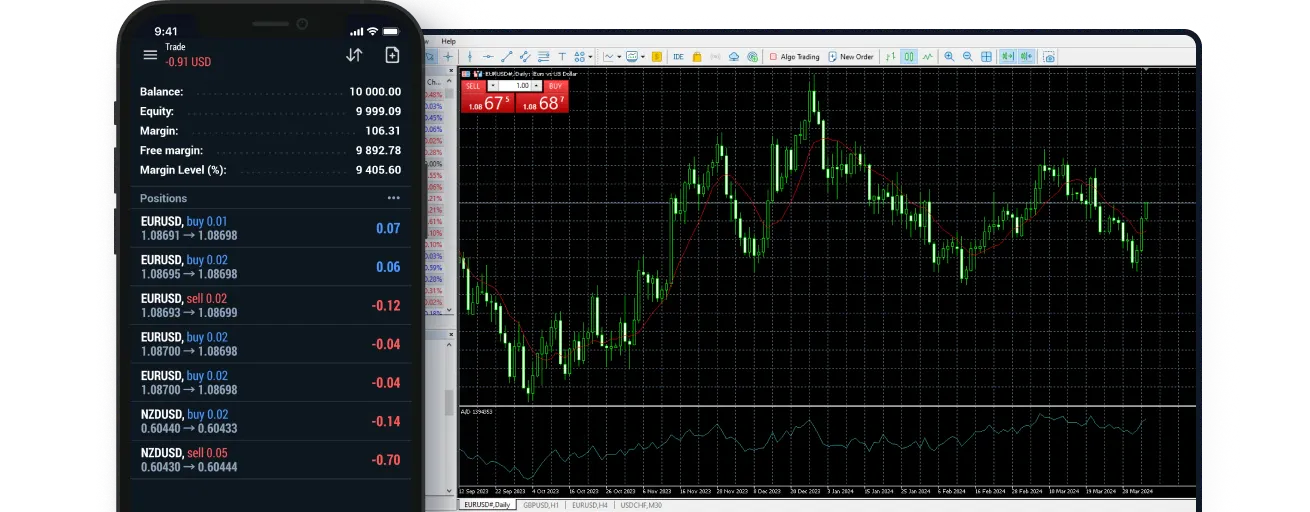
Over the last decade, XM has solidified its position as a household name in online trading. Millions of traders have opened accounts, and countless others have encountered its advertising.
XM promotes several key features, such as low minimum deposits, high leverage, fast execution, extensive educational resources, and global accessibility. But the critical question remains: Can a trader realistically build a profitable trading business using XM, or will serious traders eventually need to look elsewhere?
Let’s look beyond the marketing hype in this comprehensive XM broker review.
XM’s Brand Background and Accessibility

XM launched in 2009, entering an already competitive forex brokerage industry. To thrive, brokers needed more than just flashy promotions; they needed to build trust.
XM successfully expanded globally, accumulating a client base in over 190 countries. The broker became particularly popular among beginner traders by removing traditional barriers to entry, such as requiring large capital, professional experience, or institutional connections.
A trader could start with a very low XM minimum deposit, making trading accessible to a broader audience. This accessibility became one of XM’s most significant strengths.
The company also invested heavily in education, offering webinars, seminars, and market analysis. Rather than solely targeting experienced traders, XM positioned itself as a broker where new traders could learn and grow. This strategy proved highly effective.
Today, XM remains one of the largest retail brokers, catering primarily to beginner and intermediate traders worldwide. This XM broker review highlights their commitment to fostering trader growth.
Product Deep Dive: Execution Quality
Profitability in trading often begins with execution quality, not just indicators or strategies. Many traders underestimate its importance.
A strategy that performs well on paper can fail if orders execute slowly, slippage is excessive, or requotes occur frequently. Small inefficiencies in execution can compound significantly over time.
XM addresses this by focusing heavily on its execution infrastructure. Orders are generally processed quickly, and the broker advertises a no-requote execution model. For most retail traders, XM’s execution quality is more than adequate.
What truly matters is consistent execution. Consistency allows traders to trust their results, which in turn builds confidence in their trading approach.
Account Flexibility and XM Leverage Spread
Profitability is also heavily dependent on proper position sizing. Many brokers inadvertently encourage excessive risk-taking through large minimum position sizes, which can be problematic for accounts with smaller capital.
XM solves this by offering micro accounts, small lot sizes, and low minimum deposits. This flexibility enables traders to scale their risk appropriately, a crucial factor often discussed in any thorough XM broker review.
Trading too large is the fastest way to deplete an account. Micro accounts provide traders with the necessary room to survive inevitable mistakes. Survival is critical because most profitable traders weren’t immediately successful; they became profitable by staying in the game long enough to learn and adapt.
Educational Ecosystem: Addressing Why Traders Lose Money
XM’s educational ecosystem is arguably its strongest competitive advantage. Most traders fail not because they chose the wrong broker, but because they lack a fundamental understanding of the markets.
XM provides a wealth of educational resources:
- Trading webinars
- Daily market updates
- Strategy education
- Economic event analysis
- Beginner tutorials
This commitment to education directly addresses common reasons why traders lose money. Knowledge compounds, meaning a trader who consistently improves their understanding, even slightly each month, will eventually see significant progress.
Forex Broker Complaints and XM
While some forex broker complaints are legitimate, many stem from traders’ own shortcomings. XM, like any large broker, will have its share of complaints. However, their focus on transparency, regulation, and client education aims to mitigate these.
A comprehensive XM broker review acknowledges that no broker is perfect, but XM’s efforts in providing a robust trading environment and extensive learning support help address many typical trader frustrations.
For a broker aimed more squarely at expert advisors and scalping, see our IC Trading review 2026 — raw spreads from 0.0 pips, NY4 servers, a free VPS on qualifying volume and published restrictions on who it will and will not serve.
Verdict
In conclusion, this XM broker review finds that XM offers a compelling package, especially for beginner and intermediate traders. Its focus on accessibility, flexible account types, competitive XM leverage spread, and extensive educational resources makes it a strong contender in the retail forex market.
While the broker isn’t a magic bullet for profitability, XM provides the tools and environment necessary for traders to learn, manage risk effectively, and potentially succeed. Its commitment to addressing common pitfalls that lead to losses sets it apart.


