
Dogecoin Security: The Ultimate Guide to Protecting Your DOGE
Understanding Dogecoin security is crucial for anyone holding or transacting with this popular cryptocurrency. Initially launched as a playful alternative to Bitcoin in 2013, Dogecoin has grown into a significant force in the crypto market, boasting a substantial Dogecoin market cap.
Understanding Dogecoin’s Security Framework

Dogecoin operates on a decentralized blockchain, offering transparency and immutability for all transactions. Its security infrastructure is built upon several key pillars, which contribute to overall Dogecoin blockchain security.
Dogecoin Blockchain Security: Code and Network
The integrity of Dogecoin’s codebase is fundamental. While there hasn’t been an official audit by CertiK, its code security score indicates a reasonable level of robustness. Regular updates and community oversight help maintain its security posture.
For network security, Dogecoin utilizes a Dogecoin proof-of-work consensus mechanism. This system requires miners to solve complex computational problems, validating transactions and securing the network against malicious attacks. This mechanism is vital for maintaining Dogecoin security.
Dogecoin Wallet Security
Securing your Dogecoin holdings effectively depends heavily on your choice of wallet. Dogecoin wallet security is paramount to protecting your assets.
- Hardware Wallets: Devices like Trezor and Ledger offer the highest level of security by storing your private keys offline.
- Software Wallets: Applications such as Dogecoin Core and Exodus Wallet provide user-friendly interfaces with additional features.
- Paper Wallets: These involve printing your private keys onto physical media, keeping them completely offline but requiring careful handling.
Is Dogecoin Secure? Addressing Concerns
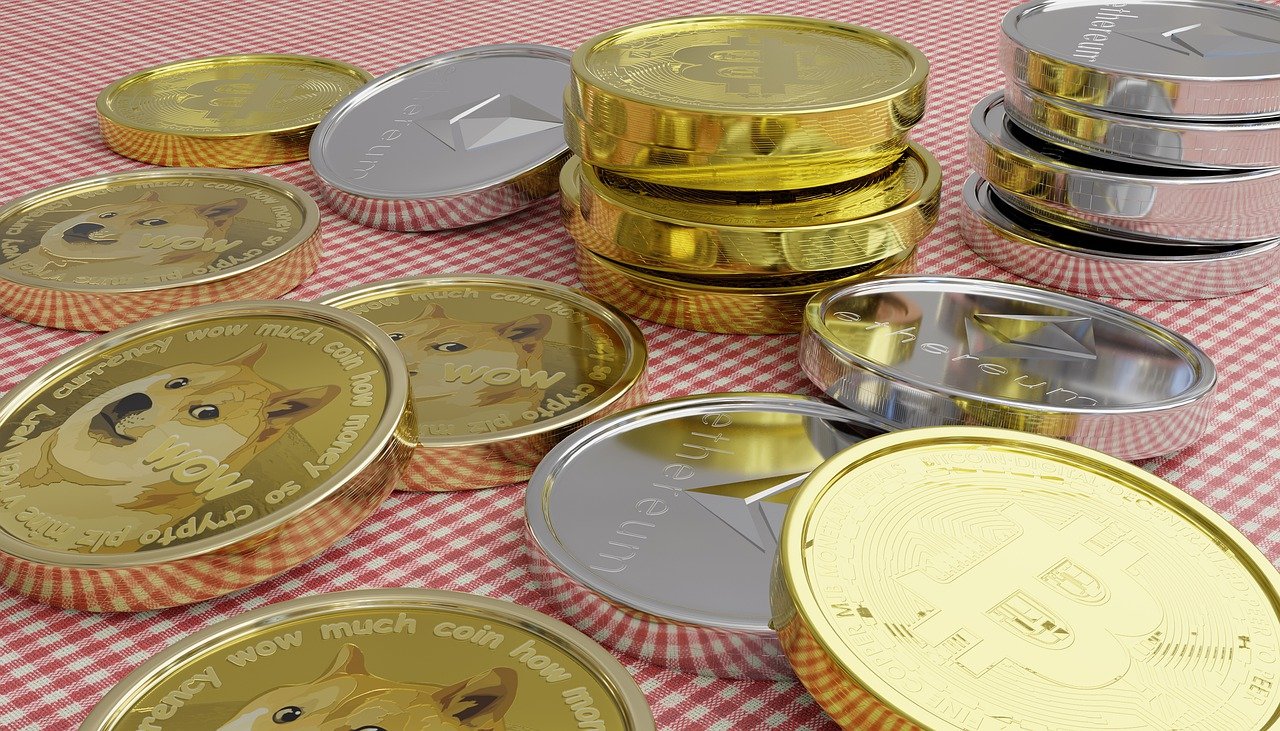
Many ask, “Is Dogecoin secure?” While the underlying blockchain technology provides a strong foundation, external factors and user practices significantly impact overall Dogecoin security. Recent discussions, such as those related to the Department of Government Efficiency (D.O.G.E.) and potential security breaches, highlight the importance of robust security protocols in all digital environments.
Best Practices for Protecting Your Dogecoin
To enhance your personal Dogecoin security and safeguard your investments, consider these best practices:
- Strong Passwords and Two-Factor Authentication (2FA): Always use unique, complex passwords and enable 2FA on all your accounts and wallets.
- Regular Software Updates: Keep your wallet software and any related applications up-to-date to benefit from the latest security patches.
- Beware of Phishing: Remain vigilant against unsolicited communications aiming to steal your credentials or private keys.
Conclusion
As Dogecoin continues to grow and gain traction in the cryptocurrency space, prioritizing Dogecoin security is more important than ever. By understanding its underlying mechanisms and adopting strong personal security practices, users can protect their assets and contribute to a more secure Dogecoin ecosystem. Always choose reputable platforms for trading and managing your Dogecoin.


PiCoreBeliever
Never store your DOGE on an exchange long-term. I learned that the hard way when an exchange got hacked!