
Coinbase security measures: Protecting Your Crypto Assets

In the rapidly evolving world of cryptocurrency, security remains a paramount concern for both investors and trading platforms. Coinbase, established in 2012, has positioned itself as a leading cryptocurrency exchange, serving millions of users worldwide. This article delves into the comprehensive Coinbase security measures implemented to protect its users’ assets and data.
Advanced Coinbase Encryption Standards
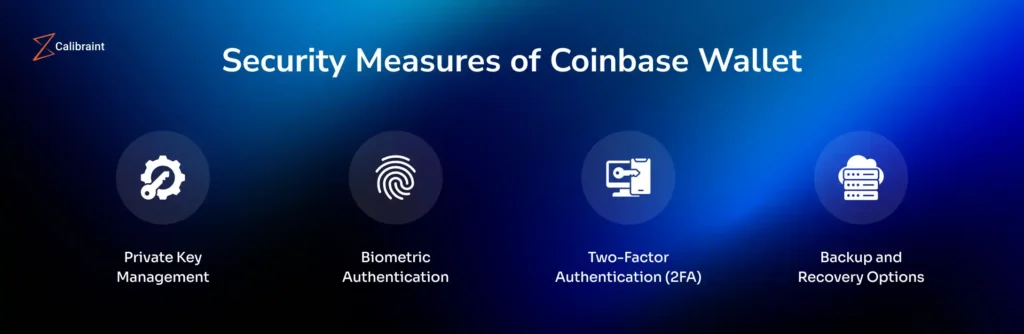
Coinbase employs AES-256 encryption, a military-grade standard, to safeguard sensitive user information, including passwords and financial details. This level of Coinbase encryption ensures that even in the unlikely event of a data breach, the information remains indecipherable to unauthorized parties.
Additionally, all communications between users and Coinbase are secured using Transport Layer Security (TLS), maintaining data integrity and confidentiality during transmission. This robust approach is central to Coinbase data protection.
Implementing Coinbase 2FA for Enhanced Security
To add an extra layer of security, Coinbase mandates two-factor authentication (2FA) for all accounts. Users can choose between SMS-based codes or authentication apps like Google Authenticator.
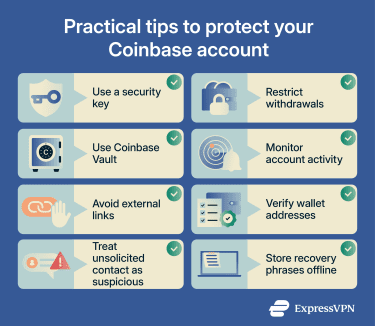
For enhanced protection against unauthorized access, Coinbase also supports hardware security keys. This comprehensive Coinbase 2FA strategy significantly strengthens account security.
Coinbase Cold Storage Solutions
Recognizing the risks associated with online storage, Coinbase stores approximately 98% of customer funds in offline, Coinbase cold storage wallets. These wallets are distributed geographically in secure vaults and safety deposit boxes, making them highly resistant to hacking attempts.
This strategic approach ensures that the majority of users’ assets are insulated from potential cyber threats, highlighting the effectiveness of Coinbase security measures.
Coinbase Vault: Advanced Asset Protection
For users seeking additional security, Coinbase offers the Vault service, which incorporates several advanced features:
- Multi-Signature Withdrawals: Requiring multiple approvals for transactions, reducing the risk of unauthorized fund transfers.
- Time-Delayed Withdrawals: Implementing a 48-hour withdrawal delay to new addresses, providing a window to cancel suspicious transactions.
- Insurance Protection: Offering insurance coverage for assets held within the Vault, adding an extra layer of financial security.
Proactive Cryptocurrency Exchange Security: Bug Bounty Program
To proactively identify and address potential vulnerabilities, Coinbase maintains a bug bounty program. This initiative encourages security researchers to report flaws, with rewards reaching up to $1,000,000.
This commitment underscores Coinbase’s dedication to robust cryptocurrency exchange security and continuous improvement of its Coinbase security measures.
Regulatory Compliance and Data Protection
Coinbase operates under stringent regulatory frameworks and holds certifications such as SOC 1 Type II and SOC 2 Type II. These attestations verify the effectiveness of Coinbase’s internal controls and Coinbase data protection mechanisms, ensuring compliance with industry standards.
User Education and Support for Coinbase Security
Beyond technological safeguards, Coinbase emphasizes user education to prevent security lapses. The platform advises users to:
- Use Strong, Unique Passwords: Encouraging the use of password managers to create and store complex passwords securely.
- Stay Vigilant Against Phishing: Educating users on recognizing and avoiding phishing attempts, ensuring they only interact with official Coinbase communications.
- Regular Account Monitoring: Prompting users to review account activity and set up alerts for any suspicious actions.
Continuous Security Assessments and Coinbase Data Protection
Coinbase undergoes regular penetration testing and security assessments to identify and mitigate potential vulnerabilities. While specific details of these tests are proprietary, Coinbase’s proactive approach ensures that its security measures evolve in response to emerging threats.
This continuous assessment is vital for maintaining high standards of cryptocurrency exchange security and effective Coinbase data protection.
Conclusion
Coinbase’s comprehensive security framework combines advanced Coinbase encryption, multi-factor authentication (Coinbase 2FA), extensive Coinbase cold storage, and proactive user education to protect its users’ assets and data. By adhering to regulatory standards and continuously assessing its security posture, Coinbase establishes a formidable defense against potential threats, reinforcing its position as a trusted platform for cryptocurrency exchange security.


Shane Underhill
Coinbase's security measures are impressive, but does anyone know if their insurance actually covers all losses in case of a hack?