
Bittensor AI blockchain: Revolutionizing Decentralized Machine Learning

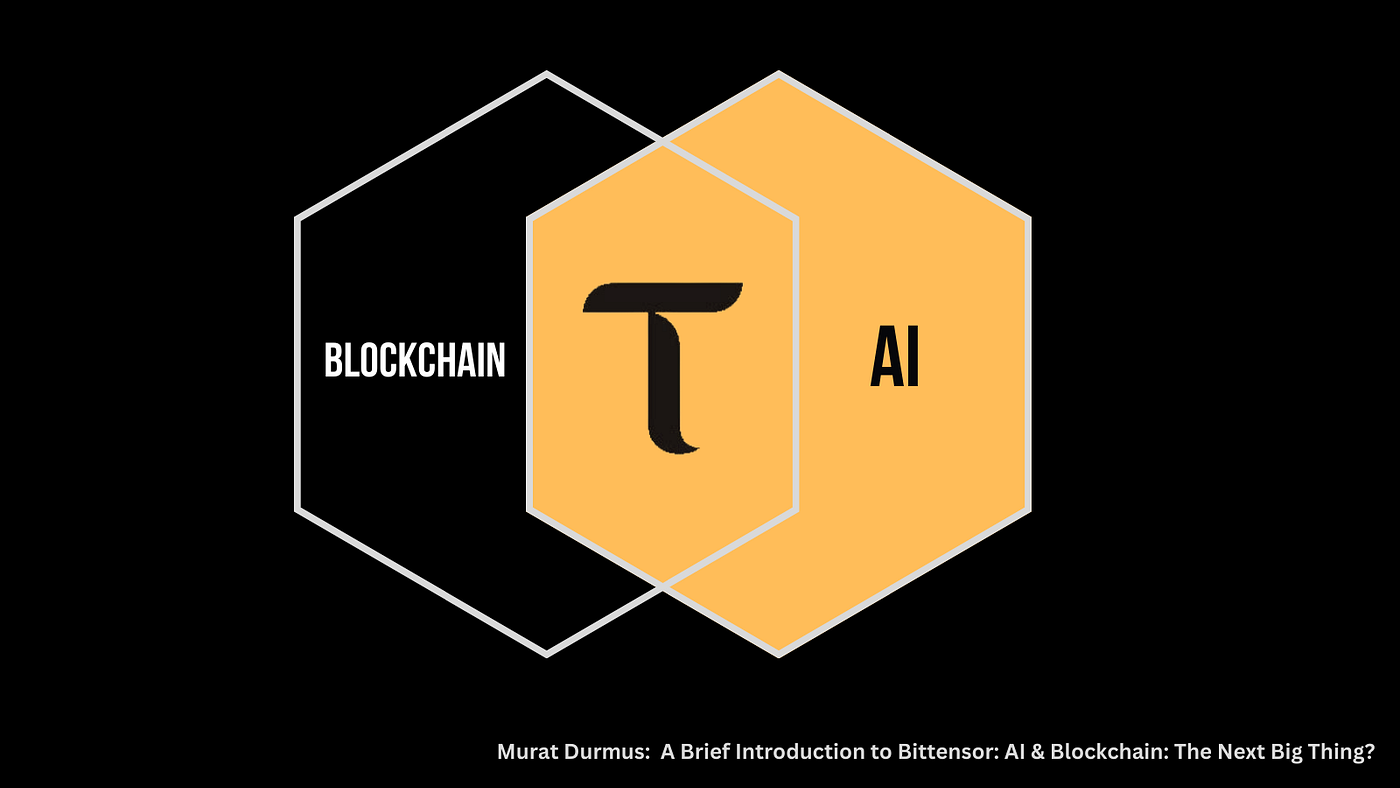
The Bittensor AI blockchain is a pioneering platform that seamlessly integrates artificial intelligence (AI) and blockchain technology. By fostering a decentralized network for machine learning models, Bittensor aims to democratize AI development and create a collaborative ecosystem that transcends traditional limitations.
Understanding Bittensor’s Core Vision for Decentralized Machine Learning
Bittensor is an open-source protocol designed to power a decentralized, blockchain-based machine learning network. Its primary objective is to establish a marketplace where machine learning models can train collaboratively.
Contributors are rewarded in TAO tokens based on the informational value they provide to the collective. This approach not only incentivizes innovation but also ensures that AI development is accessible and transparent through the Bittensor AI blockchain.
The Mechanics of Bittensor’s Decentralized Network
At the heart of the Bittensor AI blockchain ecosystem lies a network of interconnected machine learning models that contribute unique processing power to enhance collective intelligence. This decentralized framework operates through several key components:
-
-
Bittensor Subnets
-
These are specialized markets within the Bittensor network where participants contribute computational resources to perform specific tasks, such as responding to text prompts or providing storage space. Each subnet comprises two primary roles:
-
-
- Subnet Miners: They execute tasks assigned by validators and receive TAO rewards based on the quality of their work.
- Subnet Validators: They assign tasks to miners and evaluate the quality of their results, ensuring the overall improvement of the subnet’s performance.
-
This structure promotes competition among miners to deliver optimal results, fostering an environment of continuous improvement within the Bittensor subnets.
-
-
Consensus Mechanism
-
Bittensor utilizes the Yuma consensus mechanism, a variant of Delegated Proof of Stake (DPoS). In this system, TAO token holders delegate their tokens to trusted validators who produce blocks and uphold the integrity of the blockchain.
The Yuma mechanism ensures fair reward distribution by evaluating miner performance every 12 seconds, thereby maintaining the network’s reliability and efficiency for the blockchain AI platform.
The Role of TAO Tokens in Bittensor’s Ecosystem
TAO serves as the native cryptocurrency of the Bittensor network, facilitating various functions:
- Incentivization: Contributors, including miners and validators, earn TAO tokens as rewards for their valuable input, promoting active participation and high-quality contributions.
- Governance: TAO token holders participate in decentralized governance, influencing decisions related to network upgrades, policy changes, and other critical aspects, ensuring that the community’s voice shapes the network’s evolution.
- Access: Possession of TAO tokens grants users access to the network’s resources and services, enabling them to leverage the collective intelligence amassed within the ecosystem.
Advantages of Bittensor’s Decentralized Approach to Democratize AI Development
By integrating blockchain technology with AI development, the Bittensor AI blockchain offers several notable benefits:
- Transparency: All transactions and contributions are recorded on a public ledger, ensuring an open and verifiable history of activities.
- Security: The decentralized nature of the network mitigates single points of failure, enhancing the security and resilience of the system against malicious attacks.
- Collaboration: Bittensor’s framework encourages global collaboration among AI developers, leading to diverse perspectives and accelerated innovation, further helping to democratize AI development.
Recent Developments and Future Prospects for the Blockchain AI Platform
Since its launch in 2021, Bittensor has garnered attention for its innovative approach to decentralized AI. Notably, prominent venture capital firms such as Polychain Capital and Digital Currency Group have invested in TAO tokens, reflecting confidence in Bittensor’s potential to disrupt traditional AI development paradigms as a leading blockchain AI platform.
Conclusion
The Bittensor AI blockchain stands as a transformative force at the intersection of AI and blockchain. By leveraging a decentralized architecture, incentivizing participation with TAO tokens, and fostering a collaborative environment through Bittensor subnets, it is genuinely revolutionizing decentralized machine learning. This initiative is pivotal in democratizing AI development, making advanced AI more accessible, transparent, and secure for everyone.


Thomas
I had no idea AI and blockchain could work together like this. Bittensor seems like it’s solving a real problem in AI centralization!