
PulseChain blockchain platform: Revolutionizing DeFi with PoS

The PulseChain blockchain platform is an innovative solution designed to address the challenges faced by existing blockchain networks, particularly Ethereum. As a hard fork of Ethereum, PulseChain aims to deliver superior scalability, lower transaction costs, and enhanced energy efficiency, establishing itself as a significant contender in the blockchain space.
Understanding PulseChain’s Genesis and PulseChain vs Ethereum
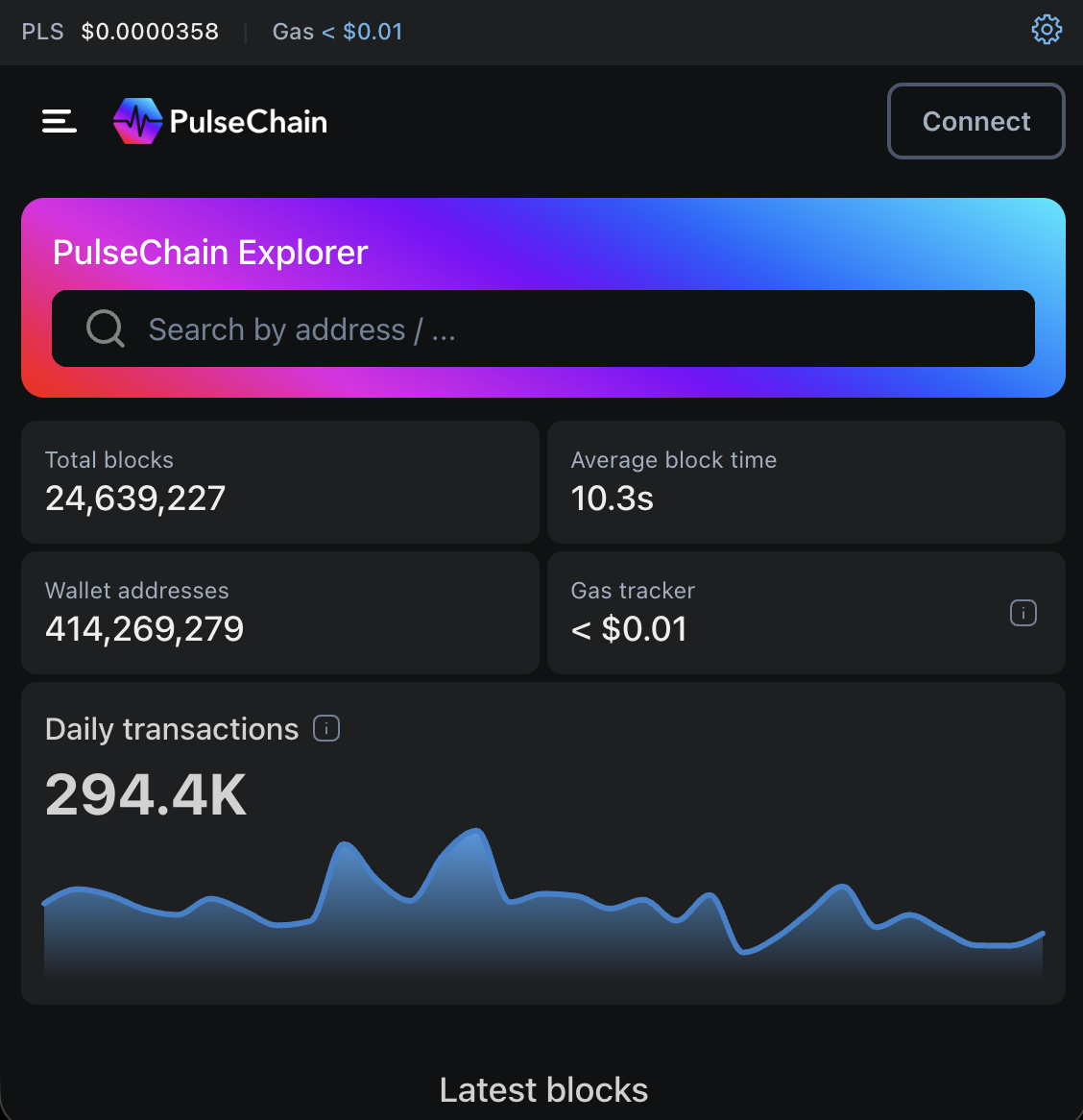
PulseChain emerged from a necessity to overcome the limitations inherent in the Ethereum network. While Ethereum has been pivotal in popularizing decentralized applications (dApps) and smart contracts, it has struggled with high gas fees, network congestion, and substantial energy consumption due to its Proof-of-Work (PoW) consensus mechanism. The PulseChain blockchain platform tackles these issues by forking Ethereum and implementing a Proof-of-Stake (PoS) consensus mechanism, which dramatically reduces energy usage and boosts transaction throughput.
Key PulseChain features and PulseChain PoS

The PulseChain blockchain platform introduces several critical features that differentiate it from other networks.
- Full-State Ethereum Fork: PulseChain is unique as the first network to mirror the complete state of the Ethereum blockchain. This means it retains every transaction, user account, and smart contract interaction from Ethereum, ensuring continuity and reliability for users and developers migrating to the new network.
- Proof-of-Stake (PoS) Consensus Mechanism: By adopting PulseChain PoS, the platform eliminates the need for energy-intensive mining operations characteristic of PoW systems. Validators are selected based on the number of tokens they hold and are willing to “stake” as collateral, leading to a more sustainable and eco-friendly blockchain.
- Enhanced Scalability: The architecture of the PulseChain blockchain platform is optimized for higher transaction speeds and significantly lower fees. This scalability ensures that dApps and DeFi projects can operate more efficiently, providing a seamless user experience even during periods of high network activity.
- Interoperability: PulseChain’s design promotes interoperability with other blockchains, enabling seamless cross-chain transactions and interactions. This feature is vital for fostering a more integrated and versatile blockchain ecosystem.
PulseChain’s Impact on Decentralized Finance (DeFi)
The DeFi sector has experienced rapid growth, but scalability issues on platforms like Ethereum have constrained its full potential. The enhanced scalability and reduced fees offered by the PulseChain blockchain platform make it an attractive alternative for DeFi projects. Developers can migrate existing Ethereum-based dApps to PulseChain with minimal modifications, benefiting from a more efficient infrastructure.
Moreover, PulseChain’s interoperability features enable DeFi protocols to operate across multiple blockchains, enhancing liquidity and user accessibility. This cross-chain functionality could lead to a more fluid DeFi market, where assets and services are not confined to a single blockchain, thereby unlocking more capital for lending, staking, and trading.
Environmental Considerations and PulseChain Crypto
One of the primary criticisms of early blockchain platforms has been their environmental impact, largely due to energy-intensive PoW consensus mechanisms. PulseChain’s transition to PoS addresses these concerns by significantly reducing energy consumption. This eco-friendly approach not only makes PulseChain crypto more sustainable but also aligns with the global push towards greener technologies.
The Vibrant PulseChain Ecosystem
Since its inception, the PulseChain blockchain platform has fostered a vibrant ecosystem comprising various projects and applications:
- Decentralized Exchanges (DEXs): PulseChain supports numerous DEXs, facilitating trustless and efficient token swaps.
- NFT Marketplaces: The platform hosts several NFT marketplaces, enabling artists and creators to mint, buy, and sell digital assets with reduced fees and faster transactions.
- Lending Platforms: DeFi lending protocols on PulseChain offer users opportunities to lend and borrow assets seamlessly, benefiting from the network’s scalability and efficiency.
Conclusion
The PulseChain blockchain platform is poised to revolutionize the DeFi landscape by offering a scalable, cost-effective, and environmentally friendly alternative to existing networks. With its innovative features and robust ecosystem, PulseChain is set to drive the next wave of blockchain adoption and innovation.


JakeCryptoGuy
I’ve been following PulseChain for a while, and the scalability improvements are impressive! Do you think it can truly compete with Ethereum long-term?